
Your first trip should be exciting, not stressful. However, many new travellers make avoidable mistakes that cost them money, time, and comfort. From overpacking to ignoring visa rules, these errors can turn a simple holiday into a frustrating experience.
That is why understanding the most common travel mistakes first-time travellers make is so important before you leave home.
This guide is for beginners, students, solo travellers, couples, and families who are planning their first domestic or international trip. Moreover, it does not just list problems, it also explains how to avoid them in a practical, easy-to-follow way. If you want your first trip to feel smooth, safe, and well organised, this article will help you prepare like a confident traveller.
Table of Contents
- Not checking travel documents
- Booking too late or too early
- Overpacking unnecessary items
- Ignoring budget planning
- Not researching the destination
- Forgetting travel insurance
- Poor packing of valuables and medicines
- Overscheduling the trip
- Ignoring local rules and safety
- Not keeping backup plans
- FAQs
- Conclusion
1. Not Checking Travel Documents
One of the biggest beginner travel mistakes is assuming all documents are ready when they are not. Many first-time travellers forget to check passport validity, visa requirements, hotel confirmations, or ID proof until the last minute. This can create stress at the airport or even delay the trip.
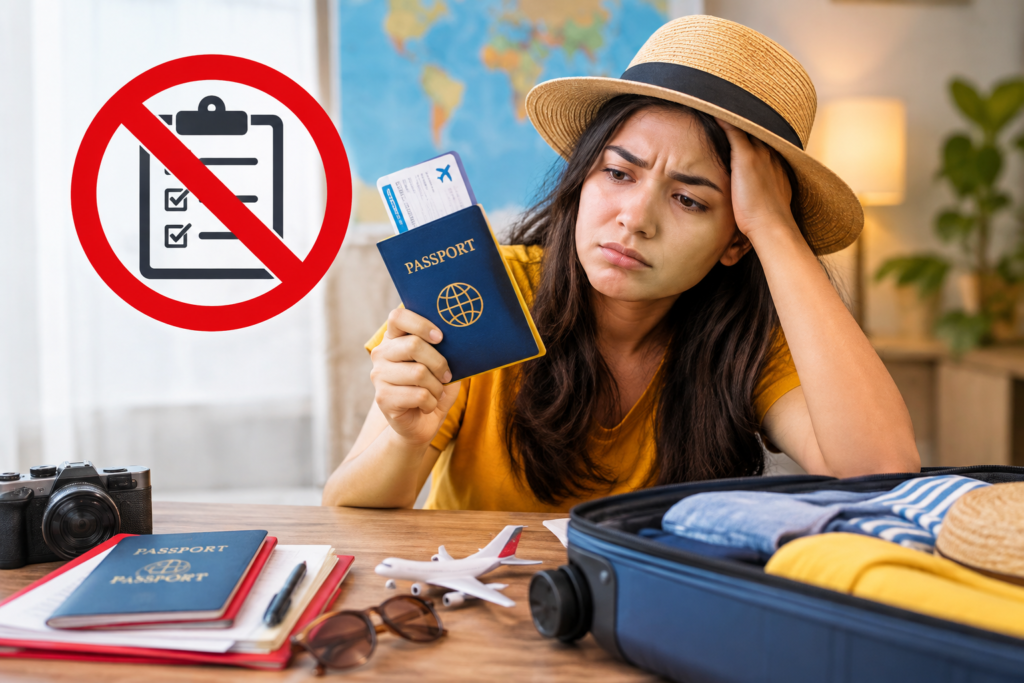
How to avoid it:
- Check passport validity well before booking.
- Confirm visa rules for your destination.
- Keep printed and digital copies of tickets and hotel bookings.
- Carry a government ID for domestic travel.
- Save emergency contact details in your phone and notebook.
For example, if you are travelling internationally and your passport expires soon, some countries may not allow entry. Therefore, document checks should always happen before flight booking, not after.
2. Booking Too Late or Too Early
Another common mistake is assuming that booking at the last minute will always be cheaper. In reality, prices often rise as departure dates get closer, especially for popular routes and peak seasons. On the other hand, booking too early without checking demand can also mean missing better fares later.
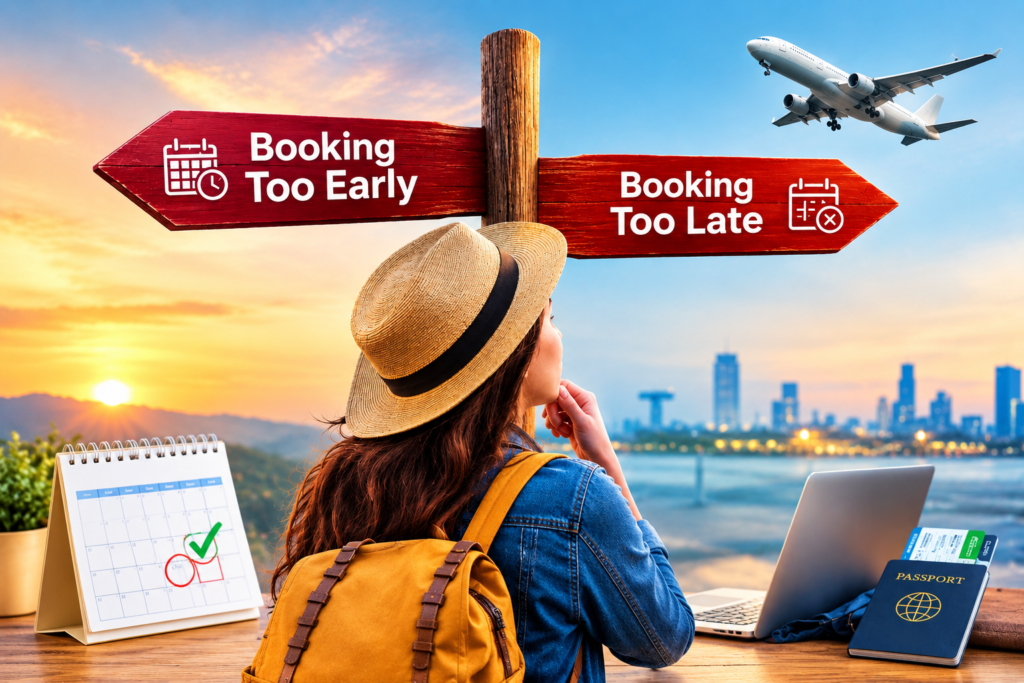
How to avoid it:
- Monitor fares before booking.
- Book early for peak season trips.
- Be flexible with dates when possible.
- Compare different flight timings and airports.
- Use price alerts if available.
For example, if you are planning a long weekend trip, waiting too long can make flights and hotels expensive. Similarly, for holiday travel, earlier planning usually works better. Consequently, timing matters almost as much as destination choice.
3. Overpacking Unnecessary Items
First-time travellers often pack too much because they are afraid of forgetting something. While this feels safe, it usually creates heavy luggage, extra baggage charges, and more confusion while moving around. Overpacking also makes it harder to keep track of essentials.
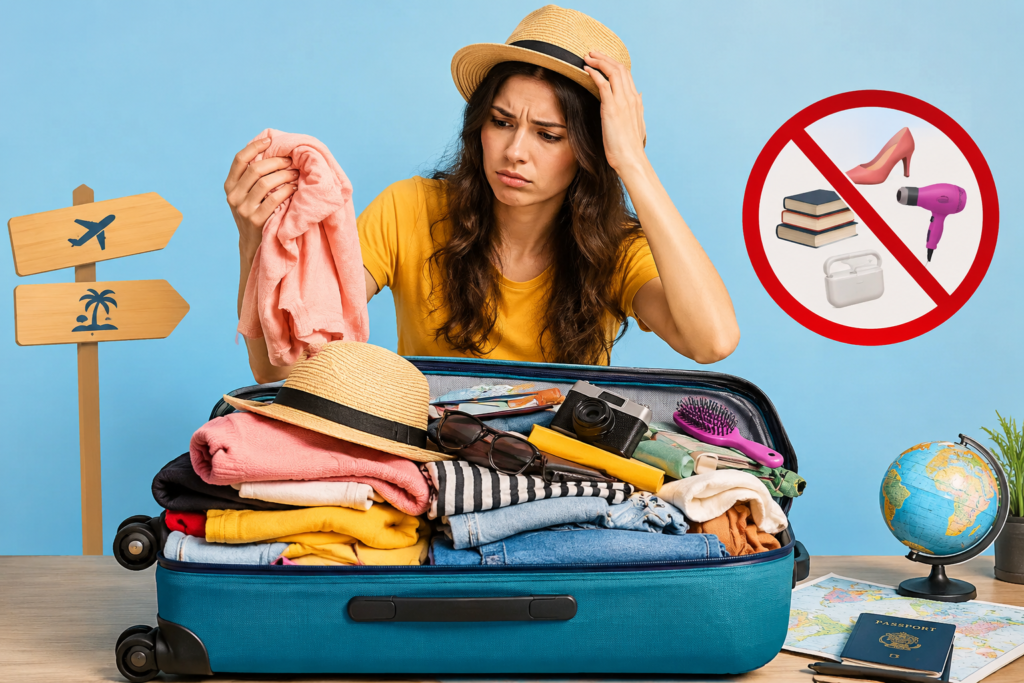
How to avoid it:
- Pack outfits that can be mixed and matched.
- Carry travel-size toiletries.
- Use a checklist before packing.
- Limit shoes to what you actually need.
- Leave space for items you may buy on the trip.
For example, many beginners pack clothes for every possible situation, even though they may only wear half of them. A lighter bag is easier to carry, cheaper to move, and far more practical. Therefore, smart packing is better than excessive packing.
4. Ignoring Budget Planning
A trip can become expensive quickly if you do not set a clear budget. Many first-time travellers focus only on flight or hotel prices and forget daily spending on food, transport, shopping, and entry tickets. As a result, they run out of money faster than expected.
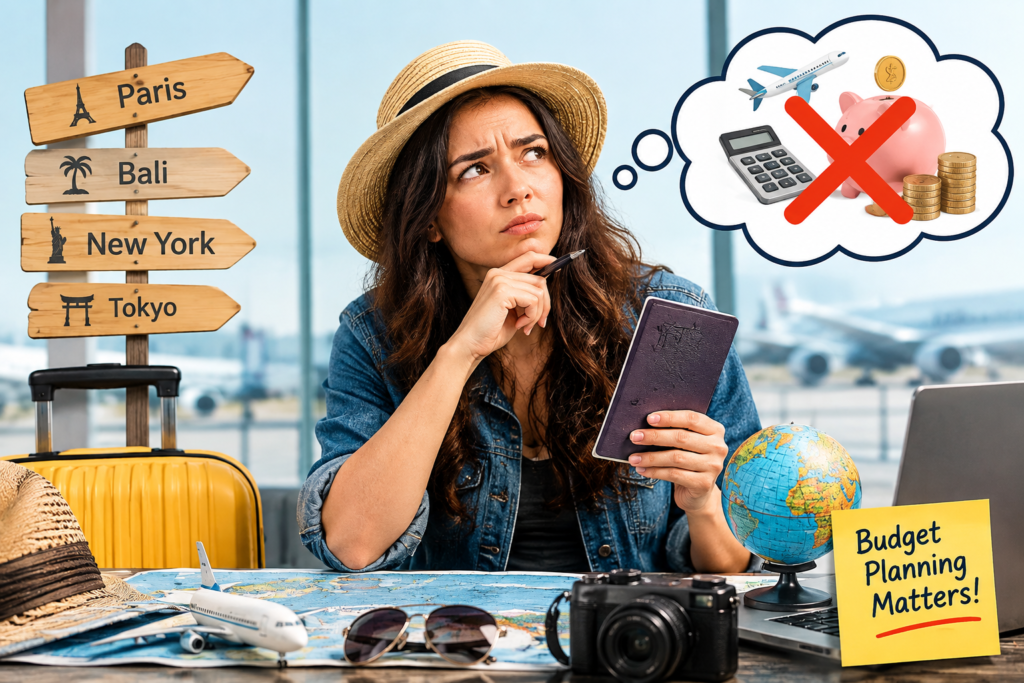
How to avoid it:
- Set a total trip budget before booking.
- Divide spending into flights, stays, food, transport, and extras.
- Keep an emergency amount aside.
- Track daily expenses during the trip.
- Avoid impulse spending on every small attraction.
For example, a traveller may save on a hotel but still overspend on taxis and restaurants. Therefore, travel budgeting should cover the whole trip, not just one part of it.
5. Not Researching the Destination
Some first-time travellers book a trip based on photos alone, without learning enough about the destination. This can lead to poor choices about weather, local transport, safety, dress codes, or attraction timings. A destination that looks beautiful online may still be difficult to manage if you are unprepared.
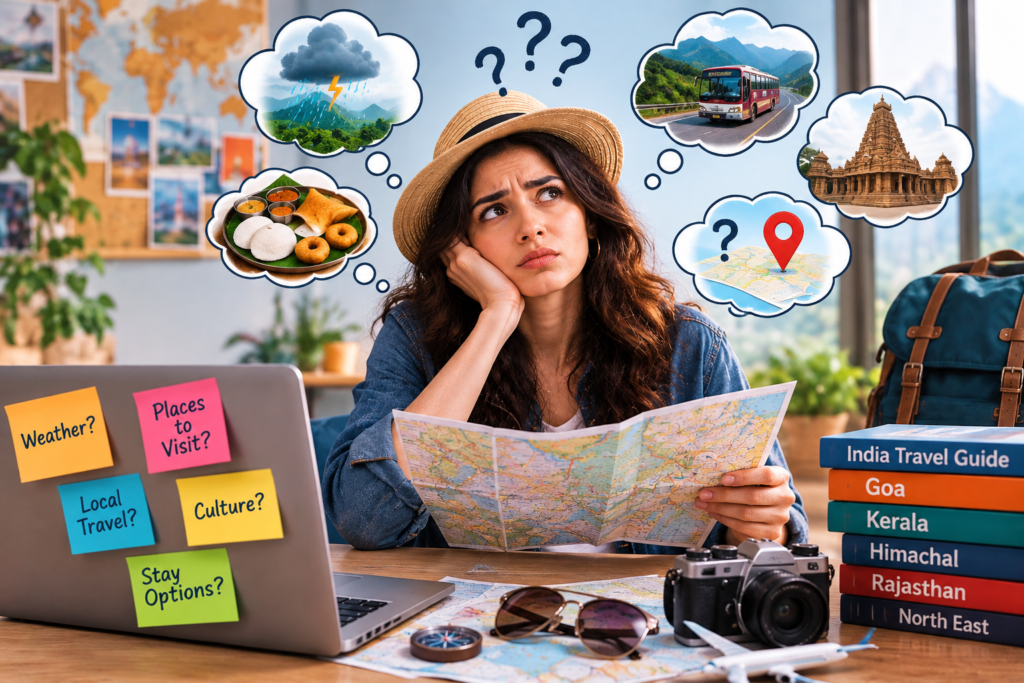
How to avoid it:
- Read about the local weather and season.
- Check transport options in advance.
- Learn the top attractions and their timings.
- Understand local customs and dress expectations.
- Look up safety advice and neighbourhood reviews.
For example, visiting a beach destination during heavy monsoon may not be ideal if your goal is swimming and water sports. Similarly, mountain destinations need more planning around weather and road conditions. Therefore, research improves both comfort and confidence.
6. Forgetting Travel Insurance
Many beginners think travel insurance is unnecessary, especially for short trips. However, small issues like flight delays, lost baggage, medical emergencies, or trip cancellations can quickly become expensive. Insurance is not just for emergencies abroad, it is also a smart protection tool.
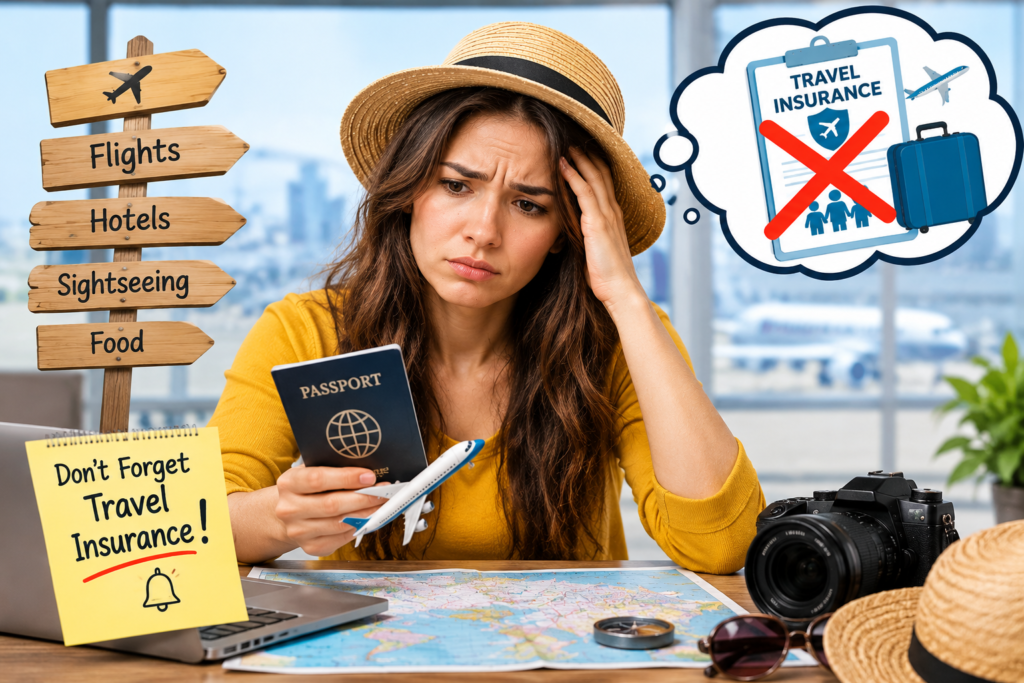
How to avoid it:
- Choose insurance that matches your trip type.
- Check what medical and trip coverage is included.
- Keep policy details accessible during travel.
- Read exclusions before buying.
- Use it especially for international or long trips.
For example, if your baggage is delayed or your flight is cancelled, insurance can reduce the financial impact. Moreover, peace of mind is valuable when travelling somewhere new. Consequently, insurance should be part of trip planning, not an afterthought.
7. Poor Packing of Valuables and Medicines
Another serious mistake is placing all important items in checked luggage. First-time travellers sometimes pack medicines, electronics, chargers, and documents in the wrong bag. If that bag gets delayed or misplaced, the trip becomes much harder.
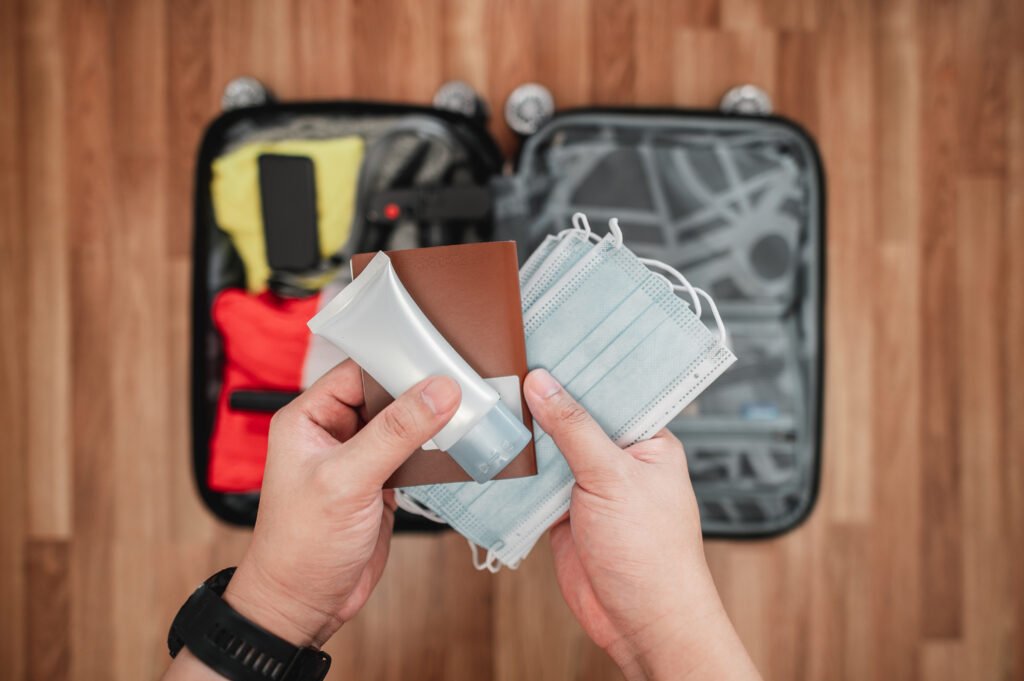
How to avoid it:
- Keep documents in your hand luggage.
- Carry medicines in original packaging where possible.
- Put chargers, power banks, and essentials in an easy-access pouch.
- Separate valuables from regular clothes.
- Carry a small emergency kit.
For example, if you need regular medication, it should always stay with you, not in the main suitcase. Likewise, a power bank and charger in your carry-on can save a lot of trouble during long travel days.
8. Overscheduling the Trip
Many first-time travellers try to see everything in one trip. They fill the itinerary with too many attractions, long travel times, and back-to-back plans. This usually leads to exhaustion instead of enjoyment. A rushed trip often feels more stressful than memorable.

How to avoid it:
- Choose a few main attractions instead of too many.
- Leave buffer time between activities.
- Include rest periods in the schedule.
- Travel slower, especially on your first trip.
- Focus on quality experiences rather than quantity.
For example, instead of trying to visit five cities in four days, it is better to explore one or two places properly. Moreover, a lighter itinerary gives you space for food, rest, and spontaneous discoveries. Therefore, less planning can sometimes create a better experience.
9. Ignoring Local Rules and Safety
Every destination has its own rules, transport habits, and safety expectations. First-time travellers sometimes ignore these details because they assume travel works the same everywhere. This can create misunderstandings, fines, or avoidable discomfort.
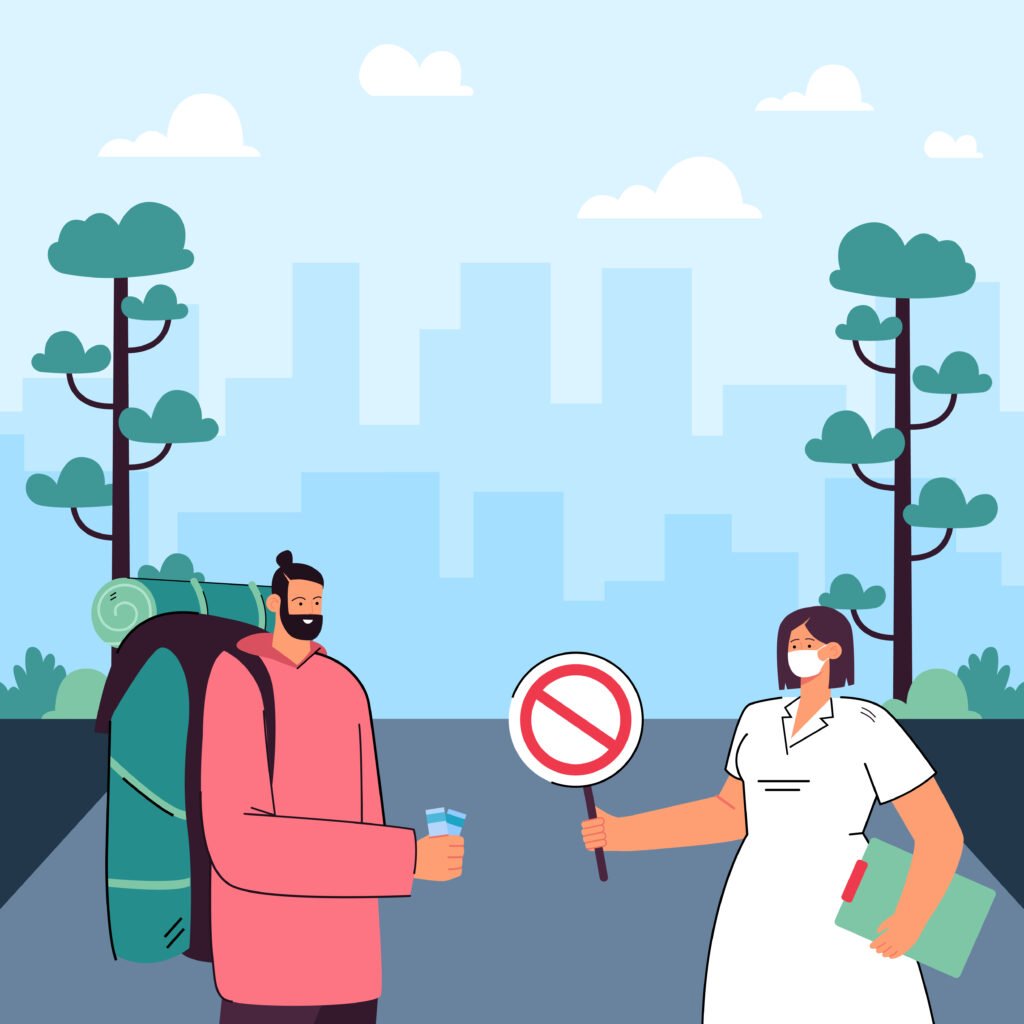
How to avoid it:
- Learn basic local rules before arrival.
- Respect dress codes in religious or formal places.
- Use trusted transport options.
- Keep copies of important contacts and emergency numbers.
- Avoid risky areas at night unless you know them well.
For example, some places require modest clothing in temples or churches, while others may have specific transport or photography rules. Similarly, being careless with valuables in crowded places can cause trouble. Therefore, local awareness is part of safe travel.
10. Not Keeping Backup Plans
First-time travellers often assume everything will go exactly as planned. However, flights get delayed, weather changes, roads close, and hotel plans sometimes shift. Without a backup plan, even a small disruption can feel overwhelming.

How to avoid it:
- Keep digital and printed copies of bookings.
- Save alternate transport options.
- Keep some cash for emergencies.
- Have contact details for your hotel and airline.
- Plan a flexible first and last day.
For example, if a connecting train is delayed, having a later alternative option can save the trip. Likewise, if rain affects outdoor sightseeing, backup indoor activities help you stay relaxed. As a result, flexibility makes travel much easier.
FAQs
1. What is the biggest mistake first-time travellers make?
The biggest mistake is usually poor planning. That includes forgetting documents, ignoring budgets, and not researching the destination properly. When the basics are not handled in advance, travel becomes stressful very quickly. Good planning does not remove all problems, but it reduces most of the avoidable ones. Therefore, first-time travellers should focus on preparation before departure.
2. How can beginners travel more confidently?
Beginners can travel more confidently by keeping things simple. Choose one destination, create a checklist, understand transport and weather, and avoid overloading the itinerary. It also helps to keep digital copies of important documents and have a small emergency buffer. Confidence usually grows when the trip feels organised and realistic.
3. Should first-time travellers choose short trips?
Yes, short trips are often a good starting point because they are easier to manage. A weekend or 3-day trip helps beginners understand packing, budgeting, booking, and local movement without too much pressure. Once you complete a few short trips, longer journeys become easier to handle. In many cases, experience matters more than distance.
4. Do all travellers need insurance?
Not every trip legally requires insurance, but it is highly recommended. Insurance can help with unexpected medical issues, delays, cancellations, or baggage loss. For international travel, it becomes even more important. First-time travellers often underestimate how helpful this can be until something goes wrong. Therefore, it is a wise part of trip planning.
5. How do I avoid overspending on my first trip?
Set a trip budget before booking and divide it into clear categories. Track your spending daily, avoid unnecessary shopping, and compare food and transport options before choosing. It also helps to keep a separate amount for emergencies so you do not disturb the main budget. Budget awareness is one of the easiest ways to travel better.
Conclusion
First-time travel should feel exciting, not overwhelming. When you avoid common travel mistakes such as poor planning, overpacking, overspending, and ignoring destination rules, the whole experience becomes smoother and more enjoyable. Moreover, the lessons you learn on your first trip will make every future journey easier to plan.
The key is to stay organised, realistic, and flexible. A simple checklist, a sensible budget, and a little research can prevent most beginner problems before they happen. Therefore, travel with preparation, confidence, and an open mind. The more thoughtfully you begin, the better your journeys will become.
Call to Action
Safar Set Go can help first-time travellers plan trips with customised travel planning, domestic tours, international tours, holiday packages, flight bookings, hotel bookings, honeymoon packages, family holidays, and visa assistance. If you want a smoother and more organised first travel experience, our team can help you plan every step with confidence.