
15 Hidden Travel Destinations in India for 2026
Discover 15 hidden travel destinations in India before they become mainstream. Offbeat places, travel tips, and honest recommendations for explorers.
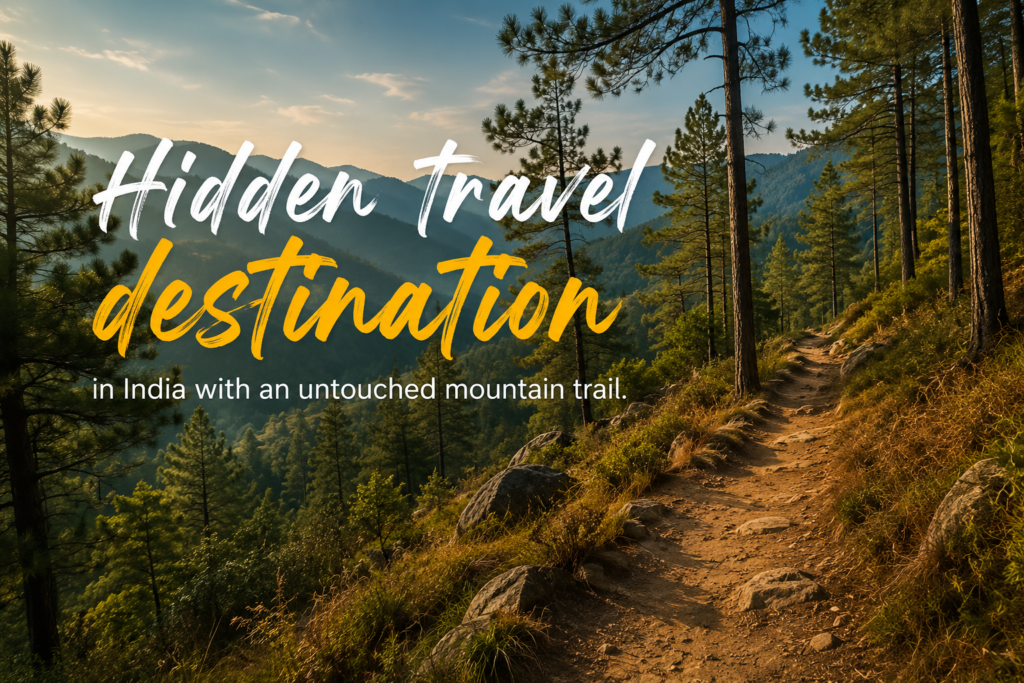
India’s offbeat destinations offer peace that popular tourist spots rarely can.
Table of Contents
- Why Offbeat Destinations Deserve Your Attention
- Hidden Hill Stations and Mountain Escapes
- Unexplored Coastal and Backwater Destinations
- Offbeat Cultural and Heritage Spots
- Nature and Wildlife Retreats Away from the Crowds
- Practical Tips for Visiting Offbeat Destinations
- Frequently Asked Questions
- Final Thoughts
Why Offbeat Destinations Deserve Your Attention
India’s popular tourist circuits, from Goa’s beaches to Manali’s slopes, are wonderful, but they come with crowded viewpoints, inflated prices, and long queues. However, India has hundreds of destinations that offer the same natural beauty and cultural richness without the chaos. These hidden travel destinations in India are ideal for solo travellers, couples, and small groups who want authentic experiences rather than a rushed, overcrowded holiday.
Offbeat travel is no longer just a niche interest. More travellers in 2026 are actively searching for quieter alternatives, partly because popular destinations have become expensive and partly because social media has made everyone crave something different to share. Visiting these lesser known places also supports local economies that don’t usually benefit from mainstream tourism.
This guide covers 15 destinations across India, ranging from misty hill towns to quiet coastal villages and forgotten heritage sites. Each entry includes practical information on the best time to visit, how to reach the destination, and why it deserves a spot on your travel list. Whether you are a budget traveller, a nature lover, or someone chasing solitude, this list has something for you.
Hidden Hill Stations and Mountain Escapes
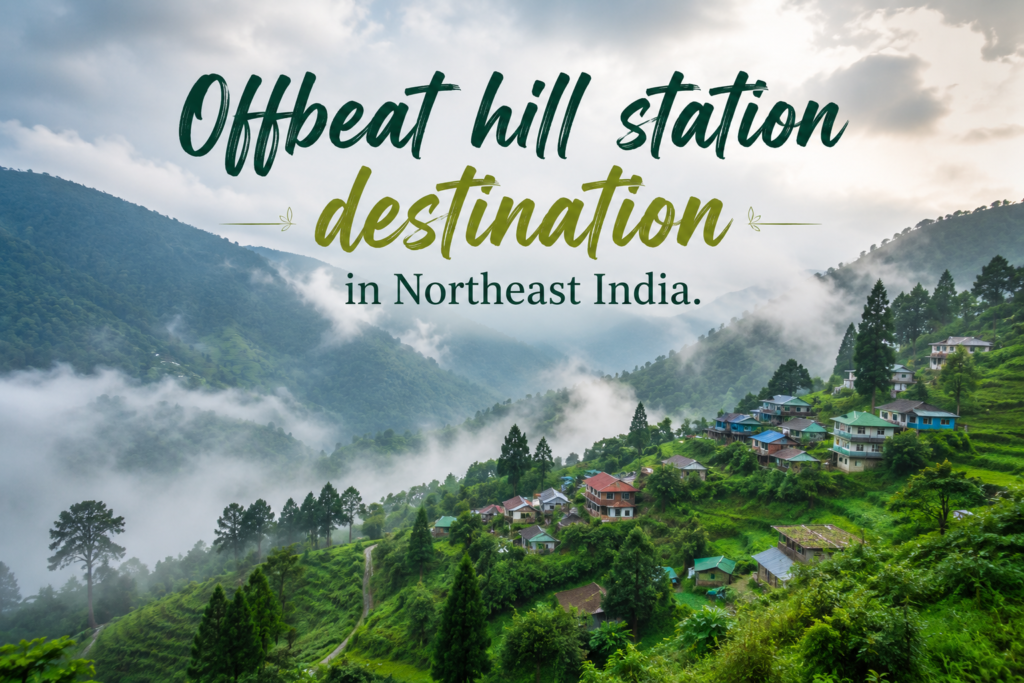
Many travellers assume hill stations mean Shimla or Manali, but India’s lesser-known mountain towns offer equally stunning views without the traffic jams.
1. Chopta, Uttarakhand Often called the “Mini Switzerland of India,” Chopta offers panoramic Himalayan views and access to the Tungnath temple trek, one of the highest Shiva temples in the world. The best time to visit is between March and June or September to November.
2. Dzukou Valley, Nagaland This valley near the Nagaland-Manipur border is known for its seasonal flowers and rolling green hills. It requires a moderate trek but rewards visitors with landscapes rarely seen in mainstream travel content.
3. Munsiyari, Uttarakhand Munsiyari offers close-up views of the Panchachuli peaks and serves as a gateway to several lesser-known treks. It remains far quieter than nearby Nainital or Mussoorie.
4. Ziro Valley, Arunachal Pradesh Home to the Apatani tribe, Ziro Valley combines cultural heritage with scenic rice fields and pine hills. It is best visited during the Ziro Music Festival in September for a unique cultural experience.
For example, a solo traveller looking for a five-day mountain escape could combine Chopta and Munsiyari, spending two days trekking and three days exploring local villages, all at a fraction of the cost of a typical Himachal trip.
WHAT NO ONE TELLS YOU ABOUT KASHMIR
Unexplored Coastal and Backwater Destinations
Goa often dominates India’s beach tourism conversation, but several coastal destinations offer cleaner beaches and a slower pace of life.
5. Gokarna, Karnataka- Gokarna has quieter beaches such as Om Beach and Kudle Beach, along with a spiritual atmosphere due to its temple town status. It suits travellers who want beach relaxation combined with cultural exploration.
6. Varkala, Kerala-Varkala Known for its dramatic cliffside beaches, Varkala offers a mix of Ayurvedic wellness retreats and coastal views, without Kerala’s more commercialised backwater circuits.
7. Diu, Union Territory- Diu combines Portuguese colonial architecture with uncrowded beaches. As a result, it works well for a short weekend trip from Gujarat or Mumbai.
8. Kumarakom, Kerala- While Alleppey gets most of the backwater tourism attention, Kumarakom offers similar houseboat experiences with noticeably fewer crowds, especially outside peak season.
Therefore, travellers seeking a beach holiday without the Goa-style crowds should consider Gokarna or Varkala as strong alternatives, particularly during the November to February window.
Offbeat Cultural and Heritage Spots
India’s heritage sites extend well beyond the well-known circuits of Rajasthan and Agra.
9. Chettinad, Tamil Nadu Chettinad is known for its grand heritage mansions, intricate architecture, and distinct regional cuisine. It offers a deep cultural experience for travellers interested in history and food.
10. Orchha, Madhya Pradesh Orchha features well-preserved forts and temples along the Betwa River, often overshadowed by nearby Khajuraho despite offering equally impressive architecture.
11. Hampi, Karnataka Although gaining popularity, Hampi remains less crowded than mainstream heritage destinations and offers a surreal landscape of boulders, temples, and ancient ruins.
12. Mandu, Madhya Pradesh Mandu is a lesser-known fort city with Afghan-influenced architecture and dramatic monsoon views, making it ideal for history enthusiasts and photographers alike.
For instance, a heritage-focused itinerary combining Orchha and Mandu over four days allows travellers to explore two distinct architectural styles within Madhya Pradesh alone.

India’s lesser-known heritage sites often rival famous monuments in beauty and history.
Nature and Wildlife Retreats Away from the Crowds
For travellers who prefer nature over nightlife, several destinations offer wildlife and greenery without the tourist rush of national parks like Jim Corbett or Ranthambore.
13. Dandeli, Karnataka Dandeli is known for river rafting, wildlife sanctuaries, and dense forests, making it ideal for adventure-focused travellers seeking an alternative to Coorg.
14. Valparai, Tamil Nadu Surrounded by tea estates and rainforest, Valparai offers wildlife sightings, including elephants and hornbills, along with cooler weather year-round.
15. Majuli, Assam As the world’s largest river island, Majuli offers a unique combination of Vaishnavite culture, river landscapes, and traditional mask-making villages, all rarely covered in mainstream travel guides.
Similarly, these destinations work well for travellers who want meaningful nature experiences without the safari-style crowds typical of more famous wildlife parks.
Practical Tips for Visiting Offbeat Destinations
Visiting lesser-known places requires slightly different planning compared to mainstream tourist spots.
- Book accommodation directly with local guesthouses where possible, since online listings may be limited.
- Carry sufficient cash, as digital payment acceptance can be inconsistent in remote areas.
- Check road conditions in advance, especially for hill destinations during monsoon season.
- Hire local guides where available, since they often know trails and viewpoints not listed online.
- Respect local customs and communities, particularly in tribal regions such as Ziro Valley or Dzukou.
For example, a traveller heading to Dzukou Valley should confirm trekking permits and weather conditions with local trekking associations before departure, since the route can become difficult during heavy rainfall.
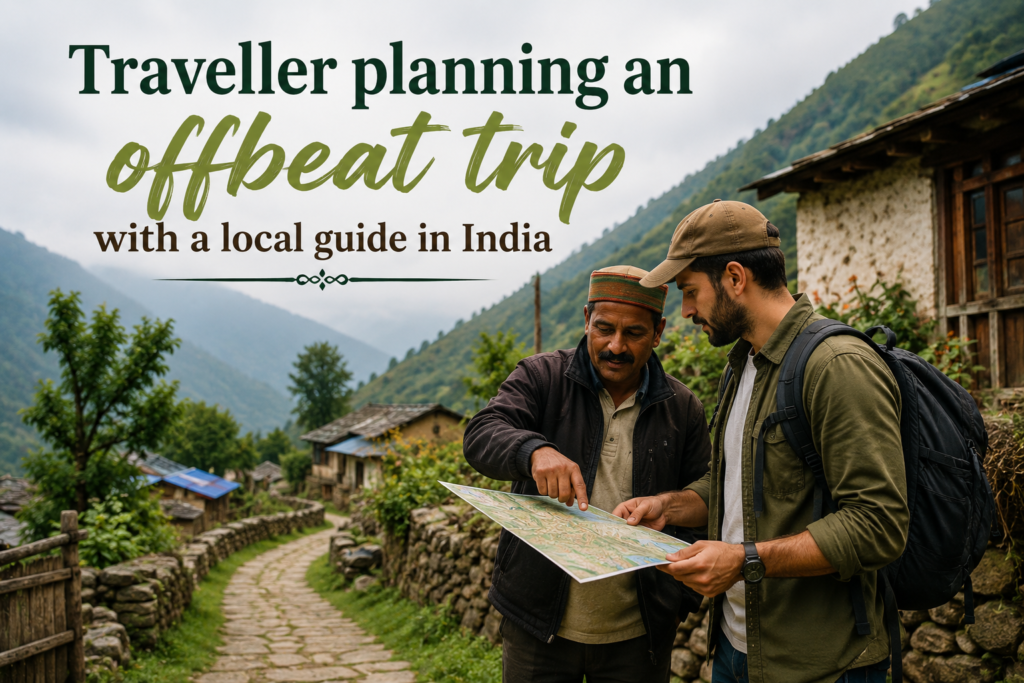
Local guidance often makes the difference between a good offbeat trip and a great one.
Frequently Asked Questions
1. Are these hidden destinations safe for solo travellers? Most of these destinations are generally safe, though it is always advisable to inform someone of your itinerary, avoid isolated areas after dark, and check current local conditions before travelling, especially in remote regions like Dzukou Valley or Ziro Valley.
2. What is the best time to visit offbeat hill stations in India? Generally, March to June and September to November offer the most pleasant weather for hill destinations. Monsoon months can bring landslides in certain regions, so checking local advisories is recommended before travel.
3. Are these destinations budget-friendly? Yes, most offbeat destinations are more affordable than mainstream tourist spots since accommodation and food costs remain lower due to limited commercial tourism infrastructure.
4. How do I reach remote destinations like Majuli or Dzukou Valley? These destinations typically require a combination of flights to the nearest major city followed by road travel or ferry rides. It is advisable to plan extra travel time, since connectivity can be limited compared to mainstream destinations.
5. Do I need permits to visit any of these places? Some Northeast Indian destinations, including parts of Nagaland and Arunachal Pradesh, require Inner Line Permits for domestic travellers and Protected Area Permits for foreign nationals. It is best to check requirements well in advance.
6. Is mobile network connectivity available in these areas? Connectivity can be limited or unreliable in remote destinations such as Dzukou Valley, Ziro Valley, and Majuli. Travellers should inform family or friends of their itinerary beforehand and not rely solely on real-time communication.
7. Can families visit these offbeat destinations? Many of these destinations, such as Orchha, Gokarna, and Kumarakom, are suitable for families, while more remote treks like Dzukou Valley may be better suited for experienced or adventure-focused travellers.
Final Thoughts
India’s mainstream tourist destinations will always have their charm, but the country’s true diversity often lies in its lesser-known corners. From misty valleys in the Northeast to quiet coastal towns in the South and forgotten heritage cities in central India, these 15 hidden destinations offer authentic experiences that mainstream tourism rarely provides.
Visiting these places not only gives you a more meaningful travel experience but also supports local communities that depend on responsible tourism. As more travellers discover these spots, the quiet charm that makes them special may gradually change, so there has never been a better time to explore them than now.
Explore India’s Hidden Gems with Safar Set Go
Planning a trip to an offbeat destination often requires more research and local knowledge than a standard holiday. Safar Set Go can help you design a customised itinerary covering these hidden gems, complete with hotel bookings, local transport arrangements, and expert travel guidance. Get in touch with us today to start planning your next offbeat adventure across India.