

Stress-Free Vacation Planning Guide 2026 | Safar Set Go
Plan your perfect getaway with our 2026 stress-free vacation guide. Budgeting, packing, bookings, and expert tips for a smooth, memorable trip.
Table of Contents
- Why Vacation Planning Matters More Than Ever in 2026
- Setting a Realistic Travel Budget
- Choosing the Right Destination for Your Travel Style
- Booking Flights and Accommodation Smartly
- Creating a Practical Travel Itinerary
- Packing Without the Panic
- Visa, Documentation, and Travel Insurance
- Staying Organised During Your Trip
- Frequently Asked Questions
- Final Thoughts
1. Why Vacation Planning Matters More Than Ever in 2026?
Travel in 2026 looks different from just a few years ago. Airfares fluctuate more often, destinations get busier during peak seasons, and travellers now expect personalised experiences rather than generic package tours. For solo travellers, couples, families, and honeymoon travellers alike, proper stress-free vacation planning has become the single biggest factor separating a relaxing trip from a chaotic one.
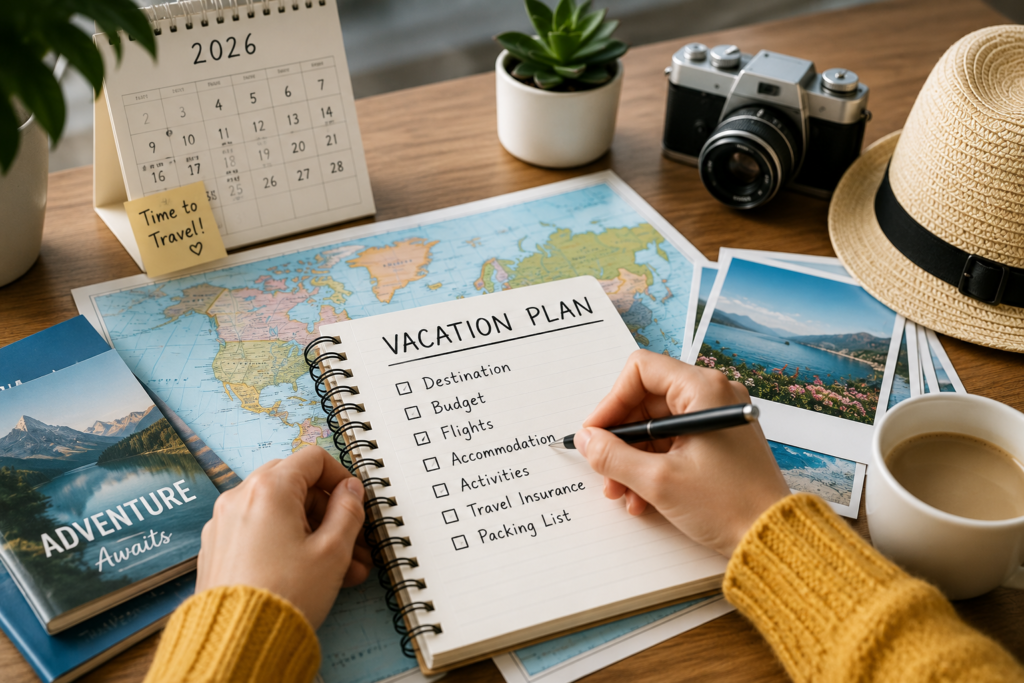
Many people assume that spontaneity equals adventure. However, unplanned trips often lead to overpriced last-minute bookings, missed experiences, and unnecessary stress at the airport or hotel check-in counter. A well-planned vacation, on the other hand, gives you more time to actually enjoy your destination instead of solving problems on the go.
This guide is written for anyone planning a trip in 2026, whether you are travelling on a tight budget, organising a family holiday, or planning a honeymoon abroad. We will walk through budgeting, booking, packing, documentation, and on-trip organisation, with practical examples at every step. By the end, you will have a clear, actionable plan you can apply to your next trip, no matter the destination.
A little planning goes a long way in avoiding travel stress.
2. Setting a Realistic Travel Budget
Money-related stress is one of the biggest trip-ruiners, and it usually happens because travellers underestimate costs rather than overspend intentionally. Before booking anything, break your trip down into clear categories.
A simple travel budget structure looks like this:
- Transportation: Flights, trains, cabs, or fuel
- Accommodation: Hotels, homestays, or resorts
- Food: Daily meals and occasional dining out
- Activities: Entry tickets, tours, and experiences
- Shopping: Souvenirs and local products
- Buffer fund: 10 to 15 percent of your total budget for emergencies
For example, a couple planning a 5-day domestic holiday with a total budget of ₹60,000 might allocate ₹20,000 for flights, ₹18,000 for hotels, ₹10,000 for food, ₹7,000 for activities, ₹3,000 for shopping, and keep ₹2,000 as a buffer.
Therefore, instead of guessing costs as you go, decide these numbers in advance. This single step prevents most mid-trip financial stress and helps you enjoy your vacation without constantly checking your bank balance.
3. Choosing the Right Destination for Your Travel Style
Not every destination suits every traveller. A destination that works beautifully for a backpacking solo traveller may feel overwhelming for a family with young children. Similarly, a honeymoon destination needs a different pace compared to a business trip extended into leisure days.
Consider these factors when shortlisting a destination:
- Travel style: Relaxed, adventurous, cultural, or a mix
- Group type: Solo, couple, family, or friends
- Season and weather: Avoid extreme weather unless that is the point of the trip
- Visa requirements: Some destinations require more preparation time than others
- Local safety and infrastructure: Especially important for first-time international travellers
For instance, a family with two young children may prefer a beach destination with easy accessibility and family-friendly resorts, whereas a solo traveller might prioritise hostels, walking tours, and flexible itineraries.
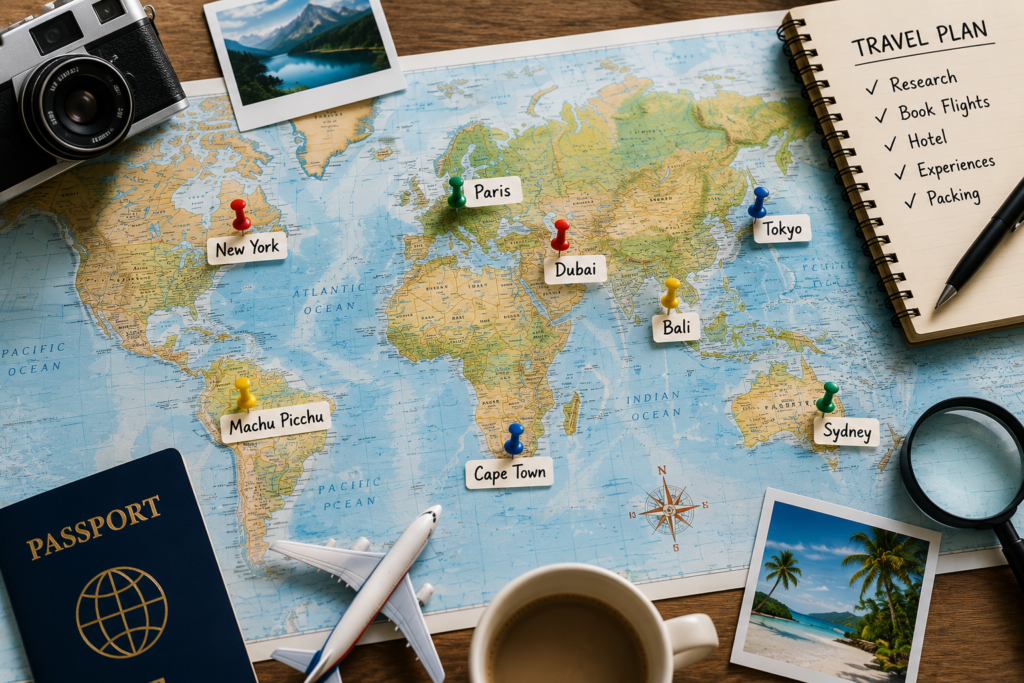
Place after this section. Description: A world map with pins marking popular travel destinations. Alt Text: Choosing the right travel destination based on travel style. Caption: The right destination depends on who you are travelling with and what you want from the trip.
4. Booking Flights and Accommodation Smartly
Booking flights and hotels at the right time can significantly reduce costs and last-minute stress. In general, domestic flights are cheaper when booked four to six weeks in advance, while international flights often offer better rates two to four months ahead.
Practical booking tips include:
- Use flight comparison tools to track price trends before booking.
- Book accommodation with free cancellation whenever possible, in case plans shift.
- Read recent reviews rather than only overall ratings.
- Confirm whether breakfast, Wi-Fi, and airport transfers are included.
- Avoid extremely tight layovers, especially on international routes.
For example, if you are booking a honeymoon package to a coastal destination, choosing a resort with free cancellation up to 48 hours before check-in gives you flexibility if flight schedules change unexpectedly.
Moreover, bundling flights and hotels through a trusted travel service often works out more affordable than booking each component separately, while also reducing the coordination effort on your end.
5. Creating a Practical Travel Itinerary
An itinerary should guide your trip, not control it. The goal is to have a clear structure while leaving room for spontaneity.
A balanced itinerary typically includes:
- One major activity per day, rather than overpacking the schedule
- At least one buffer day for rest or unplanned exploration
- A mix of popular attractions and lesser-known local experiences
- Realistic travel time between locations
Sample 4-day itinerary example:
- Day 1: Arrival, check-in, light local exploration
- Day 2: Major sightseeing and one guided tour
- Day 3: Adventure activity or cultural experience, plus free evening
- Day 4: Local market visit, relaxation, and departure
As a result, this kind of structure prevents exhaustion, which is one of the most common complaints among travellers who try to fit too much into a short trip.
6. Packing Without the Panic
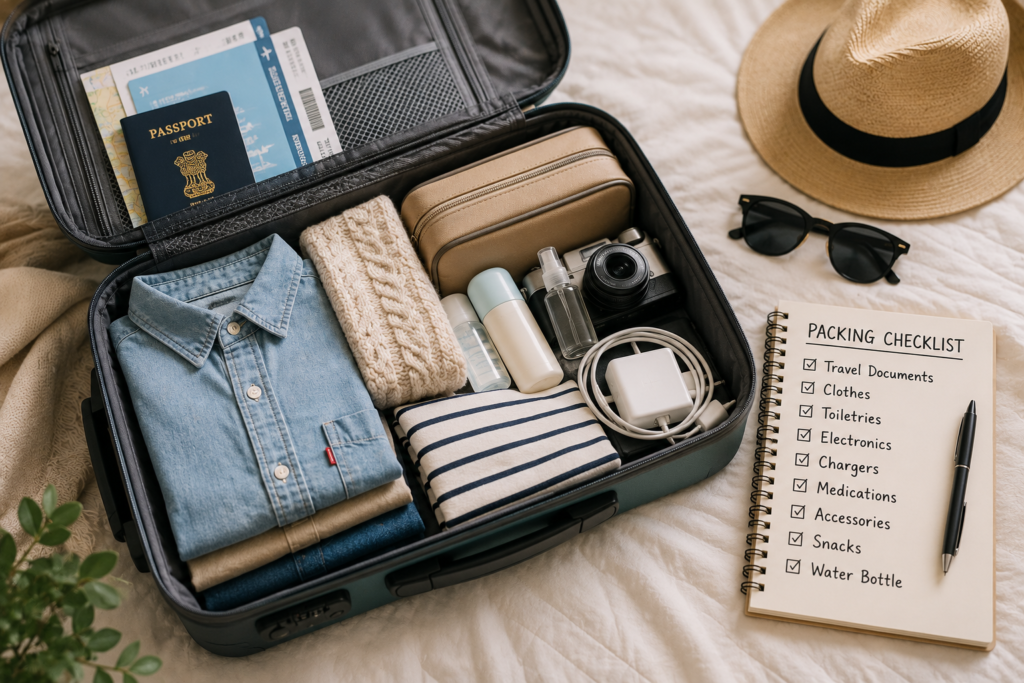
Packing stress usually comes from last-minute decisions. Creating a checklist at least a week before departure eliminates this problem entirely.
Essential packing categories include:
- Documents: Passport, visa, ID proof, printed bookings
- Clothing: Weather-appropriate outfits, comfortable footwear
- Electronics: Charger, power bank, adapter
- Health items: Basic medicines, sanitiser, prescriptions
- Money: Cash, cards, and a backup payment method
For example, a traveller heading to a cold destination should pack thermal layers, a good jacket, and moisturiser, while someone heading to a tropical destination needs breathable fabrics, sunscreen, and insect repellent.
Furthermore, packing a small travel pouch with copies of important documents, both physical and digital, adds an extra layer of security in case originals are misplaced.
7. Visa, Documentation and Travel Insurance
For international travellers, documentation is often the most overlooked part of trip planning until it becomes urgent. Visa processing times vary widely depending on the destination and nationality, so it is wise to check requirements as early as possible.
Key documentation steps include:
- Checking passport validity, ideally with at least six months remaining
- Applying for the visa well in advance of the travel date
- Carrying printed and digital copies of hotel and flight bookings
- Purchasing travel insurance that covers medical emergencies and trip cancellations
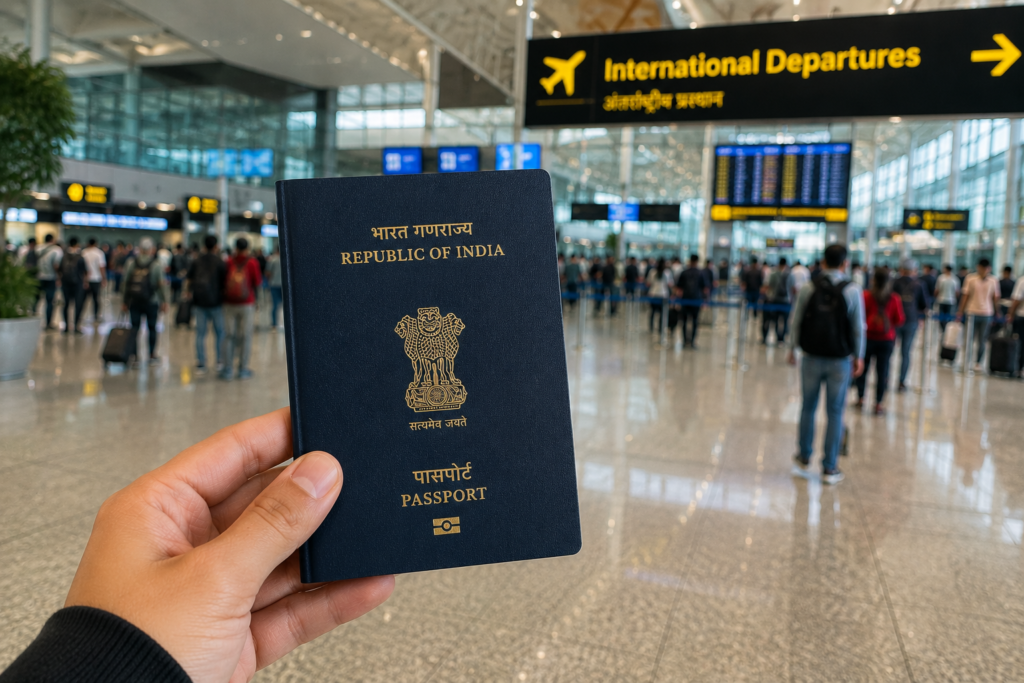
For example, a family planning an international holiday should apply for visas at least six to eight weeks before departure to account for any additional document requests or interview scheduling.
Consequently, travel insurance, while often skipped to save costs, can prevent significant financial loss in case of medical emergencies, flight cancellations, or lost luggage.
8. Staying Organised During Your Trip
Even with the best planning, a trip can feel chaotic without simple daily organisation habits.
Helpful on-trip practices include:
- Keeping a digital folder with all bookings and documents
- Setting a daily budget check-in to avoid overspending
- Carrying a physical copy of your itinerary in case of network issues
- Allowing flexibility for at least one unplanned activity per trip
Similarly, informing your bank about international travel dates in advance prevents unexpected card blocks, which is a common but easily avoidable travel disruption.
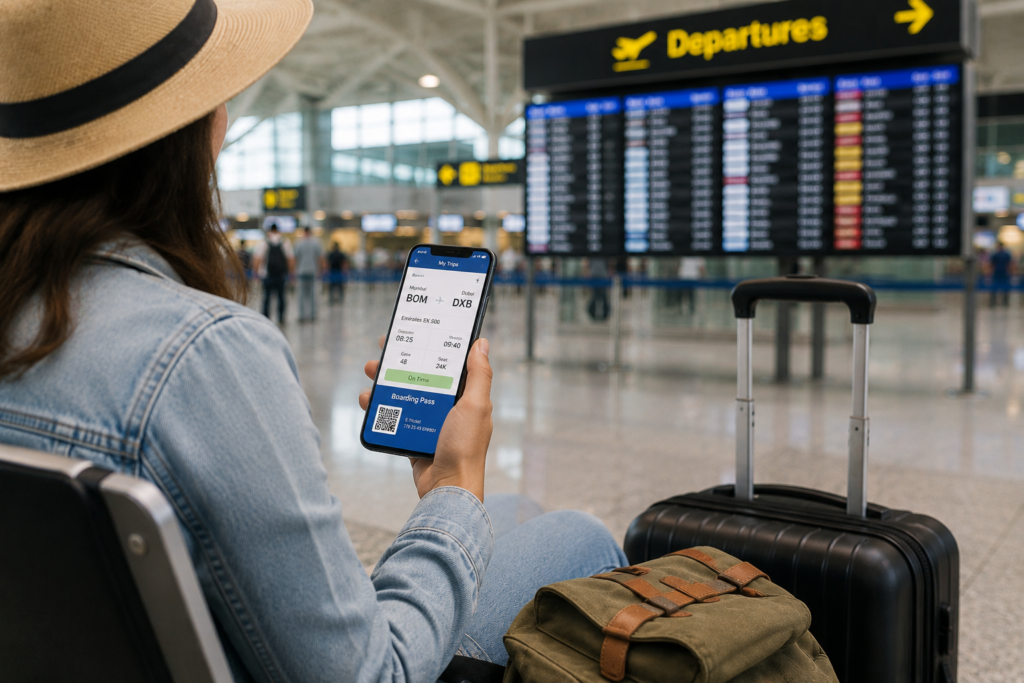
9. Frequently Asked Questions
1. How far in advance should I start planning a vacation?
For domestic trips, four to six weeks is generally sufficient. For international trips, especially those requiring a visa, it is best to start planning two to three months in advance. This allows enough time to compare flight prices, secure good accommodation deals, and complete any necessary documentation without last-minute pressure.
2. What is the ideal travel budget buffer?
A buffer of 10 to 15 percent of your total trip budget is generally recommended. This covers unexpected expenses such as emergency transport, last-minute activity bookings, or minor medical needs, without disrupting your planned spending in other categories
3. How do I avoid overpacking?
Create a packing list based on your itinerary rather than packing for every possible scenario. Focus on versatile clothing that can be mixed and matched, and check the weather forecast closer to your travel date to make final adjustments.
4. Is travel insurance really necessary?
Yes, especially for international trips. Travel insurance protects against medical emergencies, trip cancellations, and lost luggage, all of which can otherwise result in significant unplanned expenses.
5. What is the best way to manage money while travelling abroad?
Carry a mix of local currency, an international debit or credit card, and a small emergency cash reserve. Inform your bank of your travel dates beforehand to avoid transaction blocks.
6. How can I make a family vacation less stressful?
Choose destinations with easy accessibility, build in rest days, and avoid overly packed itineraries. Involving children in simple planning decisions, such as choosing one activity, can also improve their engagement during the trip.
7. Should I book everything in advance or leave room for spontaneity?
A balanced approach works best. Book flights, accommodation, and major activities in advance, but leave at least one day or evening open for spontaneous local exploration.
10. Final Thoughts
Planning a stress-free vacation in 2026 does not require perfection. It requires clarity around your budget, realistic expectations about your itinerary, and a few organisational habits that prevent small issues from becoming big problems. Whether you are travelling solo, as a couple, or with your entire family, the steps outlined in this guide, from budgeting and destination selection to packing and documentation, form a reliable foundation for any trip.
Ultimately, the goal of travel is to create memories, not manage chaos. With the right preparation, you can spend less time worrying about logistics and more time enjoying the experiences that make travel worthwhile.
Plan Your Next Trip with Safar Set Go

If planning all of this on your own feels overwhelming, Safar Set Go is here to help. From customised holiday packages and honeymoon planning to visa assistance, flight bookings, and family-friendly itineraries, our team takes the stress out of travel so you can focus on the experience. Reach out to us today to start planning your next stress-free vacation.